

K-Tip & Beaded Hair Extensions in Plano: Which Method Is Right for You?
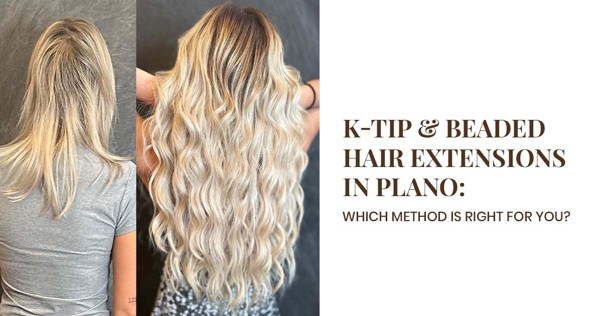
Choosing between K-tip and beaded weft extensions comes down to hair type and lifestyle. At Vogue Hair Extensions Salon, we also work with fusion hair extensions in Plano, TX, giving clients a full range of options to compare. Each method offers a different feel, wear time, and level of upkeep.
K-tip and beaded weft extensions provide distinct ways to enhance length, volume, and style. Understanding how each method works helps match the right option to different hair types, styling habits, and daily needs.
What Are K-Tip Hair Extensions?
K-tip extensions attach strand by strand using a keratin-based bond. We use a heating tool to melt the bond and secure it close to the scalp. This creates a small, flexible tip that moves naturally with your hair.
We built our reputation on K-tip hair extensions in Plano, TX, placing each strand by hand for a precise, even result. The bonds sit flat and stay hidden, even in fine or layered hair. Styling freedom stays high with this method, since bonds hold up well through heat and daily brushing.
What Are Beaded Weft Extensions?
Beaded weft extensions use small silicone-lined beads instead of heat or glue. A thin weft of hair gets threaded through the beads, then clamped securely to natural hair.
Here’s what makes this method stand out:
- No heat or adhesive touches the hair or scalp
- The beads can be adjusted as hair grows
- Wefts stay reusable across multiple appointments
- The flat base blends well with most hair textures
We offer a beaded weft in Plano, TX for clients who want a gentler, no-heat approach to length and volume.
Hand-Tied Extensions vs. Beaded Weft – What to Choose
How Do K-Tip and Beaded Weft Extensions Compare?
Both methods deliver natural results, but the process and feel differ. K-tip bonds sit as tiny, individual points, while beaded wefts sit as a single row along the scalp.
Heat plays a role in one method and not the other. We recommend K-tip extensions for clients who want maximum customization strand by strand. For clients avoiding heat altogether, a keratin bond extension in Frisco, TX paired with a bead-based alternative gives more flexibility. Cost, comfort, and maintenance schedule all factor into our recommendation during consultation.
Which Method Works Best for Fine Hair?
Fine hair needs a lighter touch, since heavy extensions can pull and stress natural strands. Both K-tip and beaded weft extensions work for fine hair, but each brings different benefits.
We consider these points for fine-haired clients:
- Smaller, well-placed K-tip bonds stay light and barely noticeable
- Beaded wefts distribute weight evenly across a wider section
- Fewer strands or a thinner weft often works better than a full set
- Regular maintenance checks help prevent tension on fragile hair
Our consultation process helps match the right amount of hair to each client’s natural density.
How Long Do These Methods Last?
K-tip extensions typically last three to five months with proper care. Beaded wefts often last just as long, since beads can be adjusted rather than fully replaced. Hair growth rate plays a big role in both cases.
Every keratin bond extension appointment in Plano, TX includes a check on bond condition and placement. This step helps us catch any early slipping before it becomes noticeable. Clients with faster hair growth may need adjustments sooner than others.
How Do We Care for K-Tip and Beaded Extensions?
Proper care keeps both methods looking smooth and lasting longer. We send every client home with a simple, easy-to-follow routine.
- Brush gently from the ends up, holding bonds or beads steady
- Use a sulfate-free shampoo to protect natural and extension hair alike
- Avoid heavy oils and conditioner near bonds or beads
- Sleep with hair loosely braided to reduce friction overnight
Following this routine helps extensions stay secure, and hair stay healthy between visits.
How Often Should You Book Maintenance?
Most clients return every six to eight weeks for a maintenance check. This appointment lets us assess bond or bead position as hair grows out. Skipping this step can lead to tangling or uneven wear over time.
Anyone searching for a keratin bond hair extension near Plano, TX benefits from sticking to a consistent schedule. We track each client’s growth pattern to recommend the right interval. This keeps both comfort and appearance in good shape year-round.
Frequently Asked Questions :
- What are K-Tip hair extensions and how are they installed?
K-tip extensions attach individual strands using a keratin bond, melted with a heating tool. Our team places each strand by hand for a natural, discreet result that moves with your hair.
- What are beaded weft hair extensions?
Beaded weft extensions use small beads instead of heat or glue to secure a thin weft. This method avoids chemicals and stays adjustable as natural hair grows out.
- How do K-Tip and beaded weft extensions compare?
K-tip extensions use individual heated bonds, while beaded wefts rely on a single row of beads. Each method suits different comfort levels, budgets, and maintenance preferences.
- Which extension method is best for adding volume to fine hair?
Both methods work for fine hair when sized correctly. We often recommend smaller K-tip bonds or a thinner beaded weft to avoid pulling on natural strands.
- How long do K-Tip and beaded weft extensions typically last?
Most sets last three to five months with proper care and regular maintenance. Hair growth speed and at-home care both affect how long each method holds up.
- How often should I visit a salon for K-Tip or beaded extension maintenance?
We recommend a maintenance visit every six to eight weeks. This keeps bonds or beads positioned correctly and prevents tangling as hair grows.
Ready to Choose Your Extension Method?
Vogue Hair Extensions Salon walks every client through K-tip, beaded weft, and fusion hair extensions in Plano, TX, side by side. We build a plan around your hair type, budget, and daily routine. Book a consultation with us today and find the method that fits you best.